A major production ramp needed a more reliable workforce
L.B. Foster (NASDAQ:FSTR) has spent more than 100 years building products for rail and infrastructure. Through CXT, the company manufactures precast concrete products used across transportation, utilities, water systems, and other critical infrastructure.
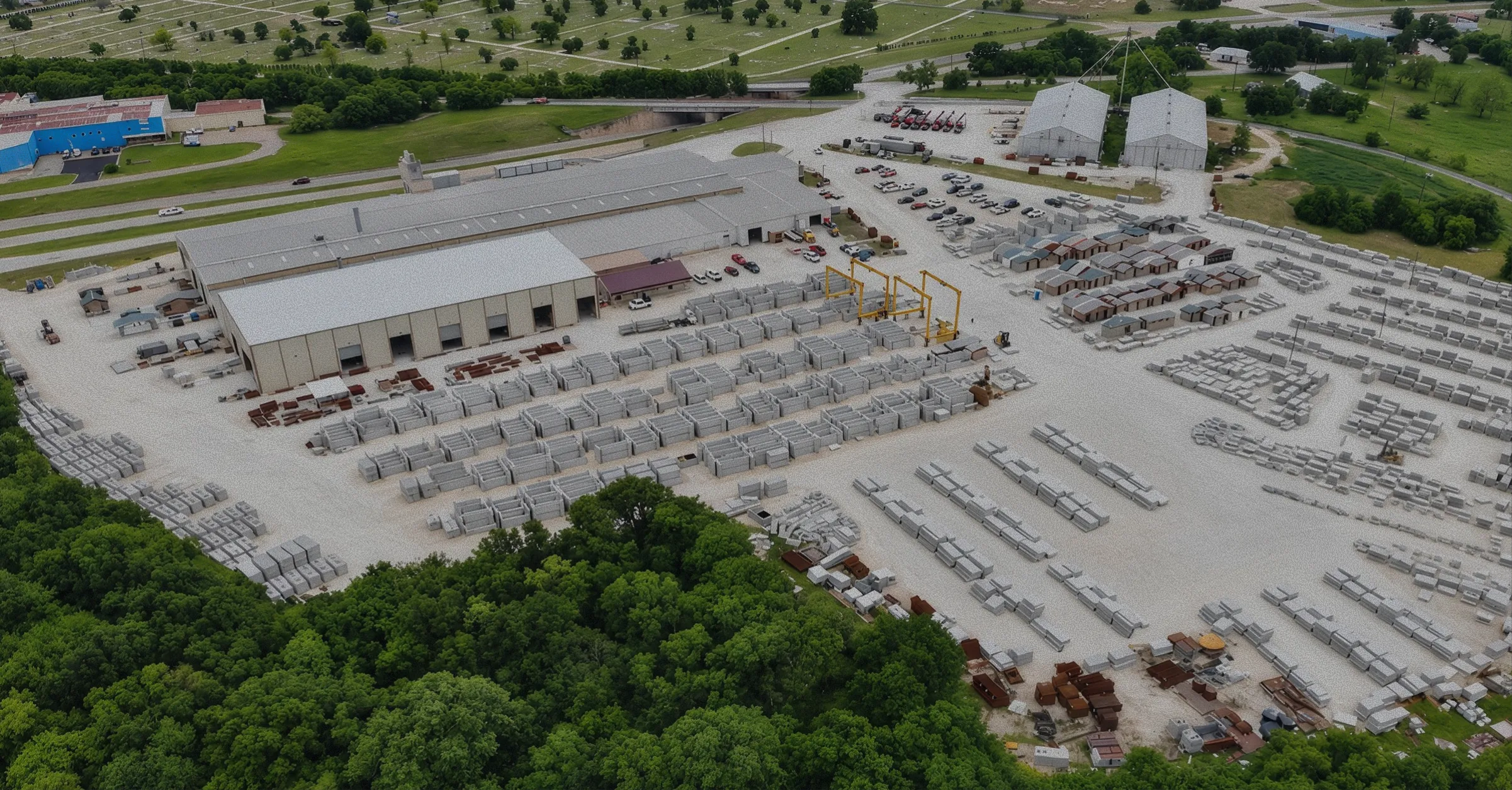
At its Loudon, TN facility, CXT was preparing for a major production ramp and needed roughly 30 additional people across the operation.
The need cut across the plant. Production workers. Rebar fabrication. Maintenance technicians. Technical roles. Different jobs, but all connected to the same production schedule.
The challenge was not just getting enough people through the door. Retention had become a major issue. When someone left after being hired and trained, the plant had to absorb that gap and start the process over again. CXT needed to ramp quickly, but it also needed the people coming in to stay.
We learned who actually works in this environment
Precast manufacturing is demanding work, and not everyone who can do a production job on paper is going to succeed in the environment.
Our team spent time understanding how the Loudon plant actually runs. The pace of the work. The physical environment. The shifts. The production expectations. How rebar, forms, concrete, finishing, inspection, and maintenance all come together across the operation.
We built that context into Laborup.
We could then go deeper than previous job titles. We could understand what kind of manufacturing environments someone had worked in, what they were comfortable doing, what they wanted next, and whether their experience lined up with the reality of the job at CXT.
Our team stayed close to CXT throughout the ramp. Every interview, hire, and worker outcome gave us a clearer picture of who was likely to do well and stay.
That mattered because the goal was never just to move faster. It was to bring in people who would still be there after the ramp was over.
Meeting the ramp and making the hires stick
Laborup helped CXT meet its 30-person workforce ramp across production, rebar, maintenance, and technical roles. At the same time, retention improved by roughly 3× compared with the channels the plant had relied on before.
The bigger change was how CXT could think about workforce. Instead of treating every opening as a separate hiring problem, Laborup built an understanding of the whole operation: the production environment, the different teams, the pace of the plant, and the kind of people who tend to succeed there.
That context now lives across our product, agents, and team. As production plans change, new shifts come online, or CXT needs to add capacity, Laborup can work across the workforce need as a whole rather than starting with another isolated job description.
What began with a major ramp has become embedded workforce infrastructure for the plant, giving CXT a more consistent way to build and retain the team behind production.