How Laborup helped one of the world’s leading bearing manufacturers rethink workforce
A staffing problem had become a production problem
The Timken Company (NYSE: TKR) is a global industrial business with roughly 19,000 employees. Its bearings and motion products sit inside everything from railcars and aircraft to robots, vehicles, wind turbines, and heavy industrial equipment.
Our relationship started at Timken’s rail facility in Mascot, TN.
The operation was already spending heavily on labor. Between temp agencies, staffing firms, recruiting, onboarding, and replacement hiring, workforce spend at a single facility was well into the six and seven figures.
But the bigger issue was not what they were spending. It was what they were getting for it.
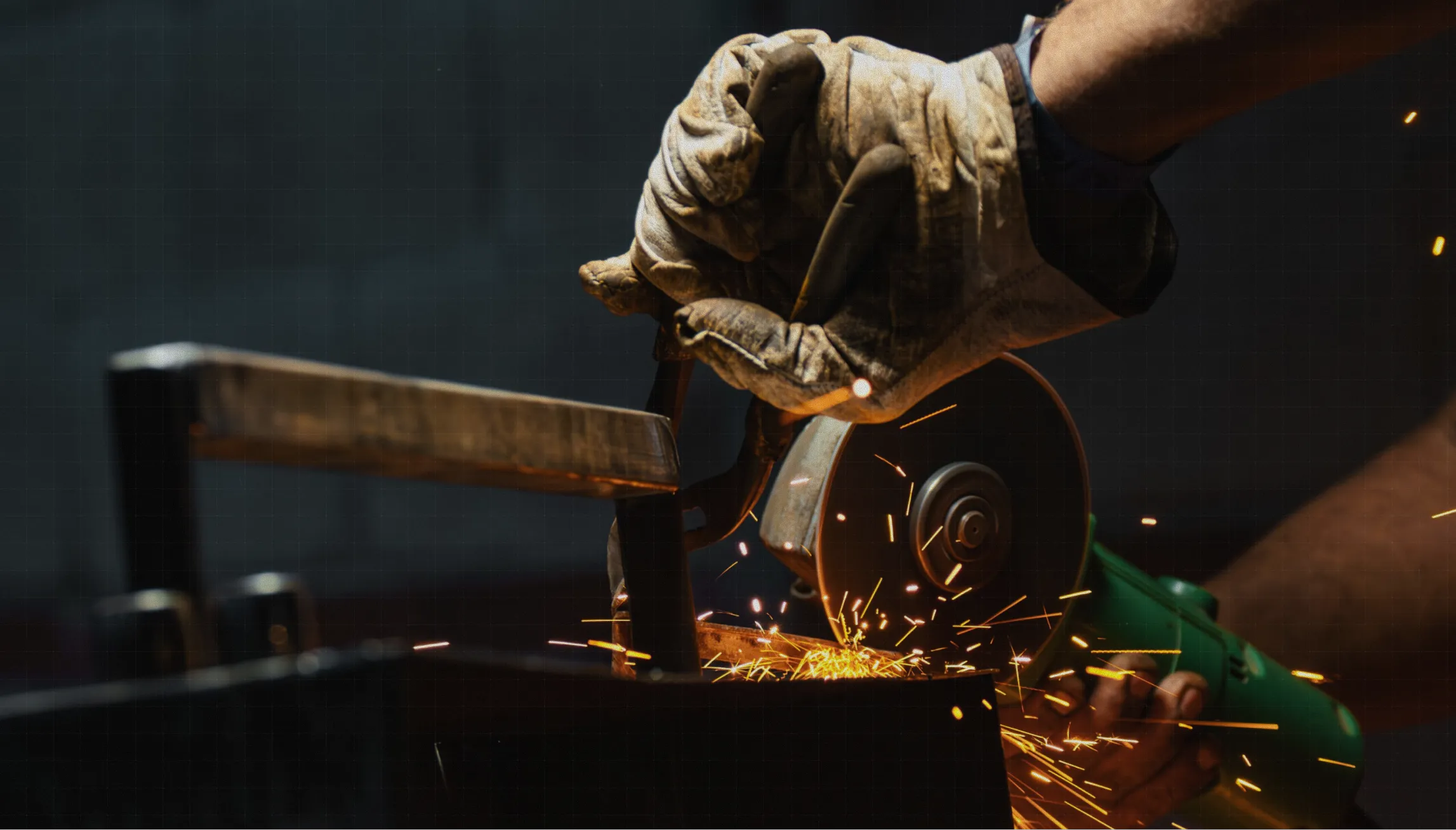
The jobs at Mascot are not generic production jobs. The work is technical and physical. The environment is demanding. There are specific expectations around pace, schedule, safety, and how the work gets done. A person can look completely qualified on paper and still be a terrible fit for the facility.
That was showing up in the numbers.
Nearly 80% of new workers were turning over early.
Every time someone left, the plant had to find another person, onboard them, train them, and absorb the lost production in between. Supervisors spent time hiring instead of running the floor. Experienced workers picked up overtime. Machines sat without the people needed to run them.
Timken did not need another source of resumes. They needed a better way to understand who would actually succeed inside the operation.

How we did it
We modeled the operation before we modeled the worker
Before deploying Laborup, we learned the factory.
We worked with Timken to understand the operation down to the details: the jobs, lines, processes, shifts, machines, changeovers, working conditions, physical requirements, skills, schedules, and what actually made someone successful on the floor.
That information became structured data inside Laborup. We built a taxonomy of the work itself, not just a list of job titles. A production worker at one facility is not necessarily the worker Timken needs at Mascot. The line they work on, the environment they are comfortable in, the pace of the operation, the equipment they have touched, and the work they have actually done all matter.
Once we understood the operation, we could model the workforce against it.
Laborup connected that model to a network of tens of thousands of manufacturing workers across East Tennessee. Our platform could identify people whose experience, skills, preferences, and work history matched what Timken actually needed, then engage, screen, and move the strongest matches into the hiring process.
Every interaction made the model better. Who Timken interviewed. Who they passed on. Who they hired. Who showed up. Who stayed. Who performed. Over time, Laborup developed an increasingly detailed understanding of what a successful worker at Mascot actually looked like.
The Timken team was skeptical at first. They had spent years working with staffing firms and had heard plenty of promises about new technology, better recruiting, and transforming the way companies build their workforce.
Then it started working.
A workforce platform that gets better with every hire
Early turnover fell from nearly 80% to almost zero. Critical roles were filled 5 to 10× faster. By reducing vacancies, replacement hiring, overtime, and lost production, Laborup has helped unlock millions of dollars in productivity for the operation.
More importantly, Timken is no longer starting from zero every time it needs to hire. Laborup remembers the operation, learns from every hiring decision and worker outcome, and gets better at finding the next person.
What started at one rail facility in East Tennessee has now expanded across multiple Timken facilities in three states, with the relationship growing into the broader Timken organization.
The more we work with Timken, the more Laborup understands Timken. The work, the facilities, the people, and what great looks like.
“It just started working.”
— Mallory, HR Manager, Timken