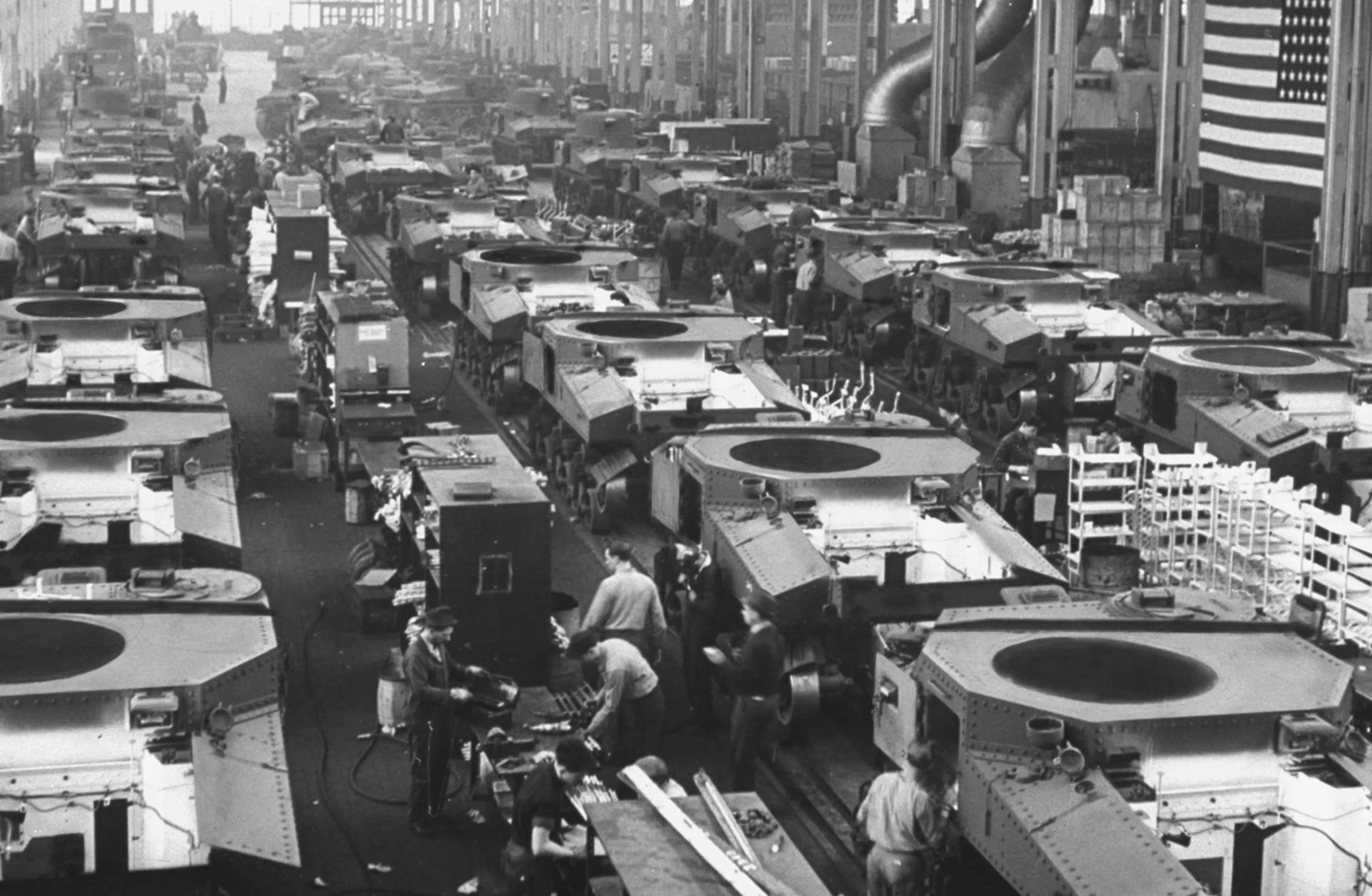
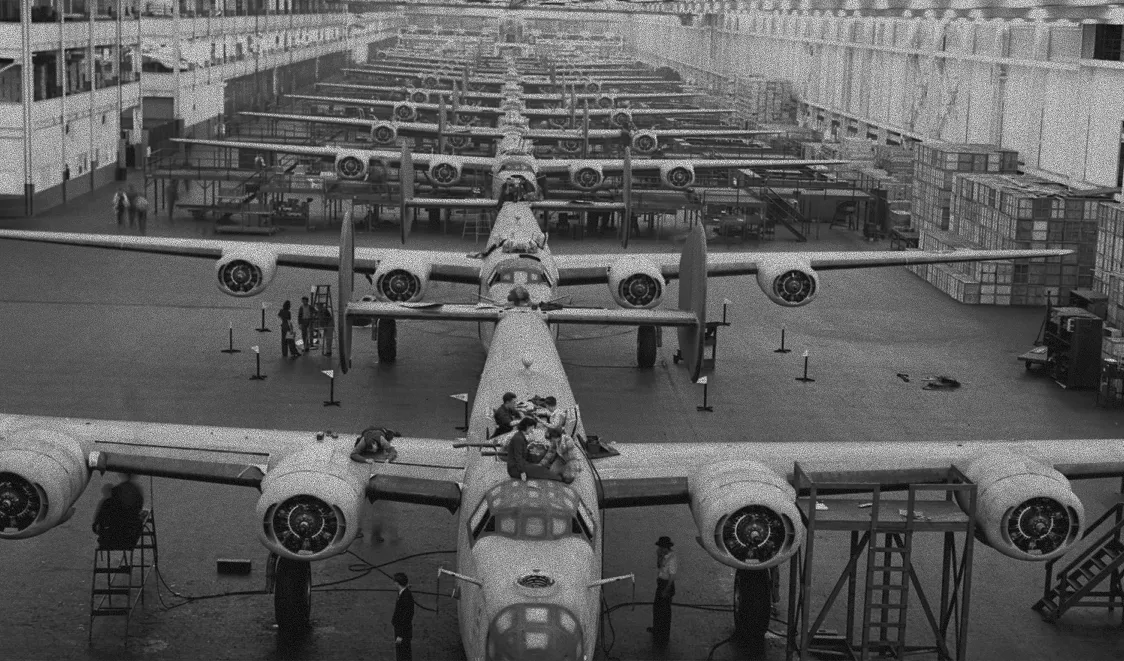
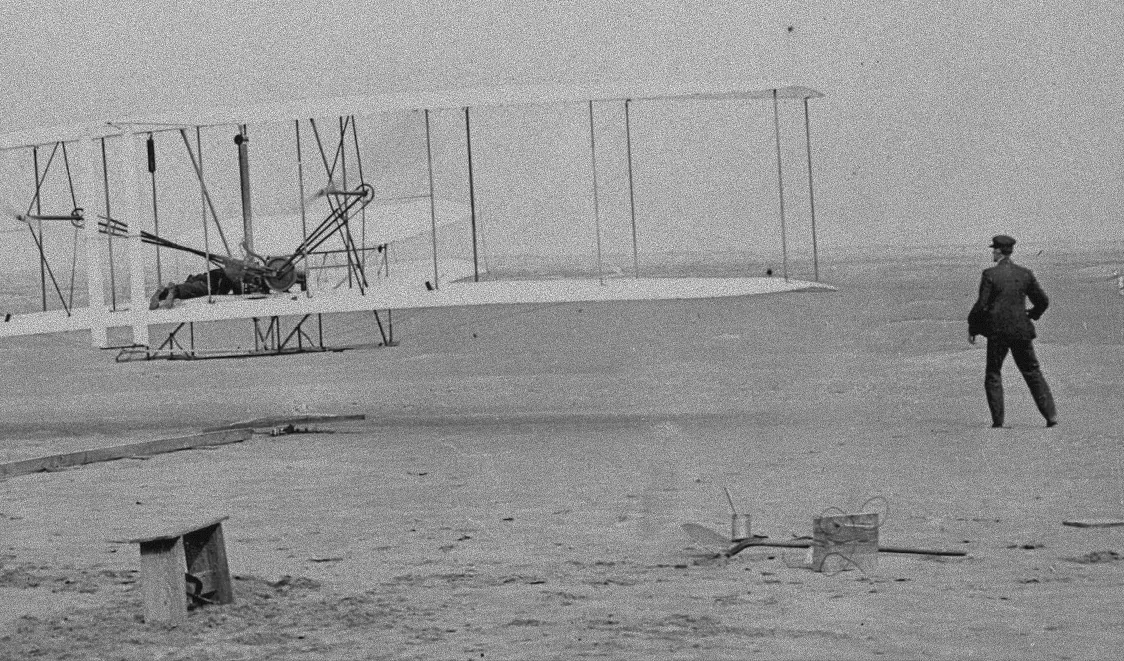
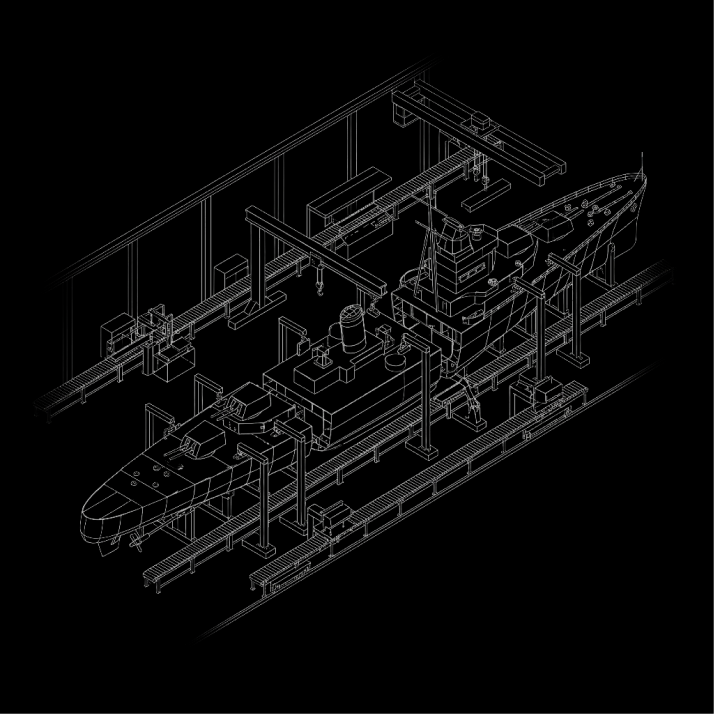
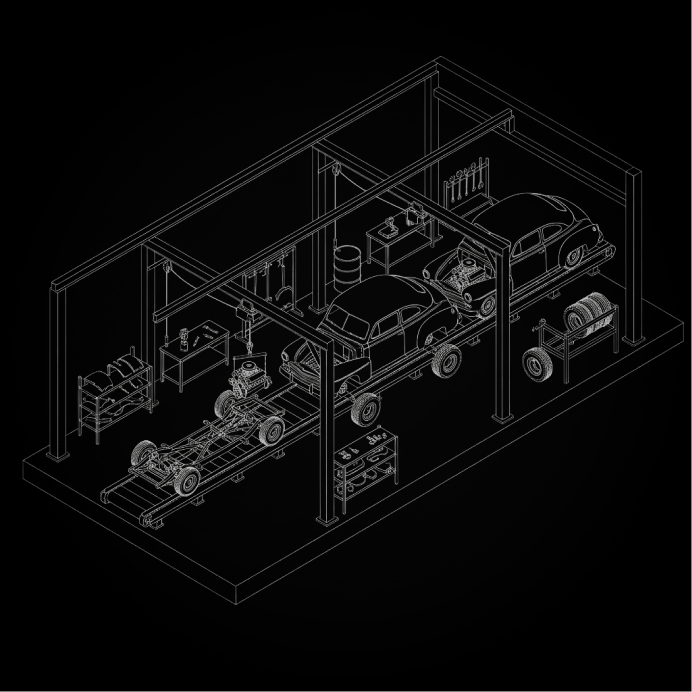
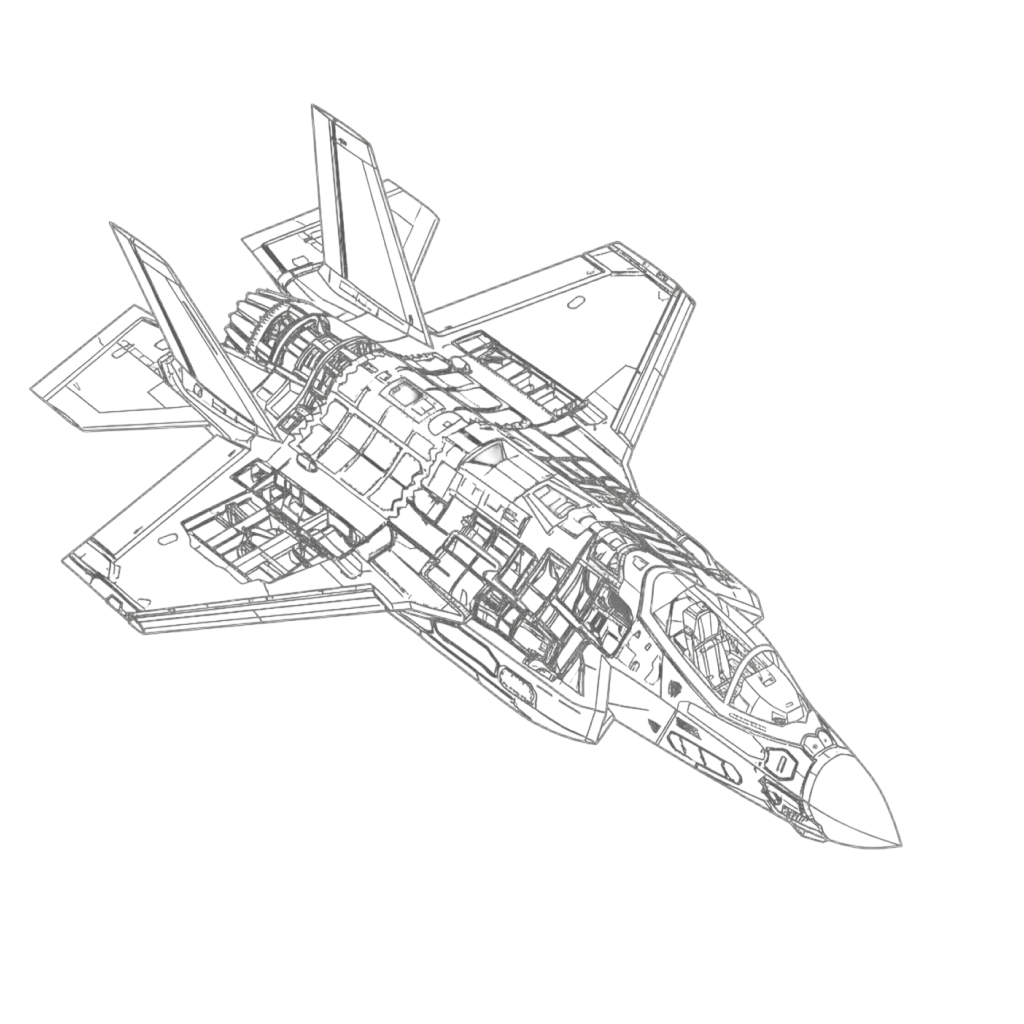
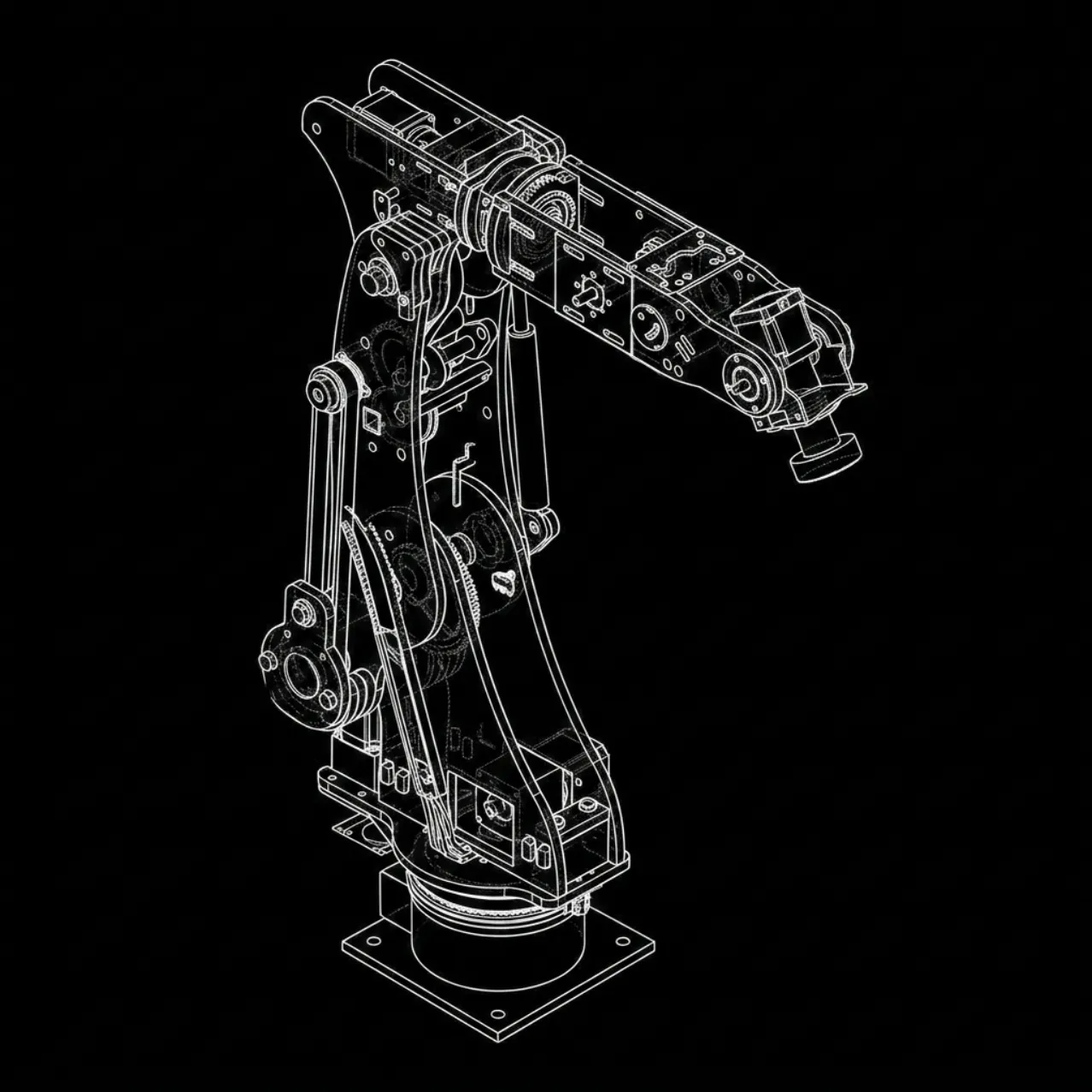
For most of our history, making things was central to the American project. We crossed a continent with railroads. Put the world on wheels. Built ships by the thousands, factories at extraordinary scale, aircraft that changed how humans moved, and rockets that carried people to the moon.
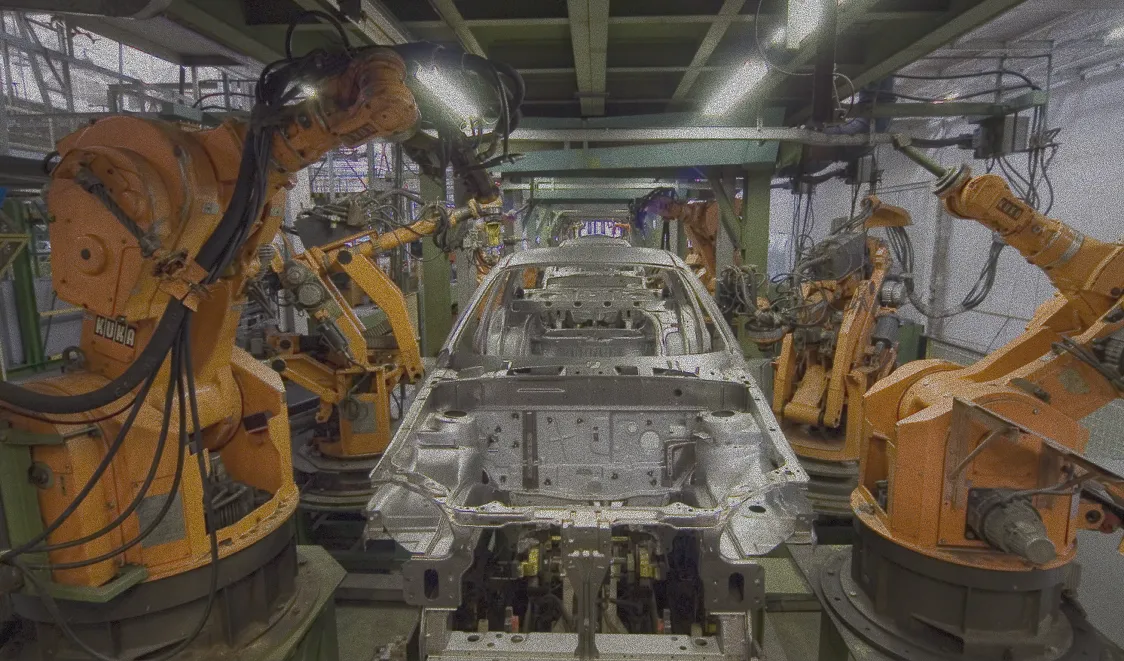
The technology changed with every generation. Steam became electricity. Hand tools became machine tools. Assembly lines became automation. Manual mills became CNC machines. Computers and software entered the factory floor.
But technology was never enough on its own.
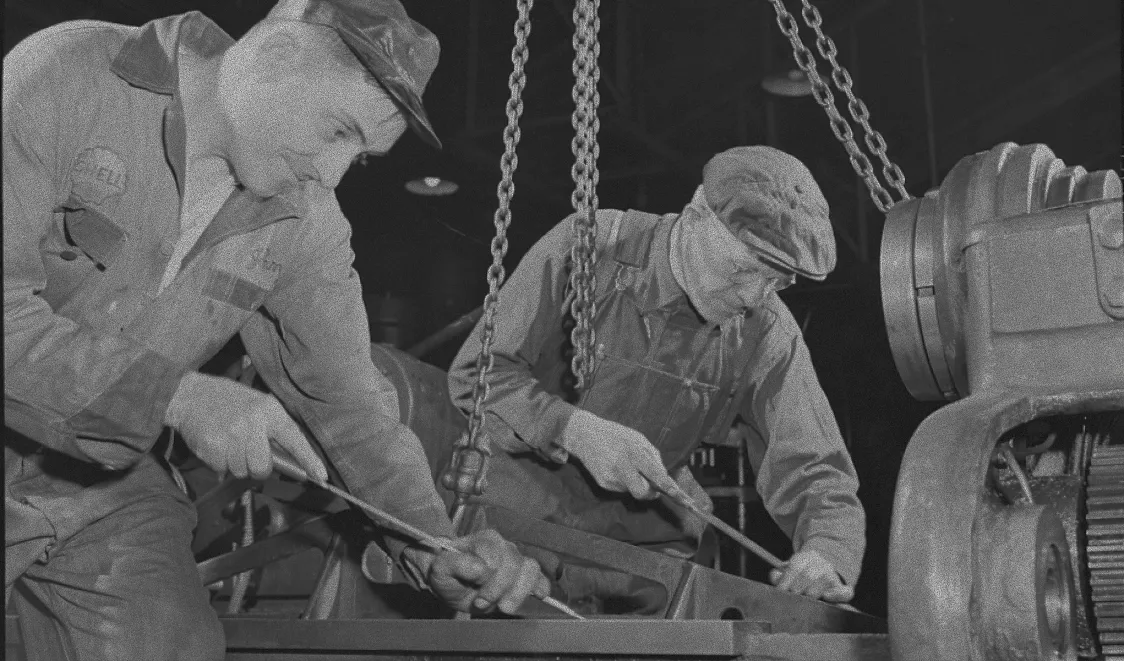
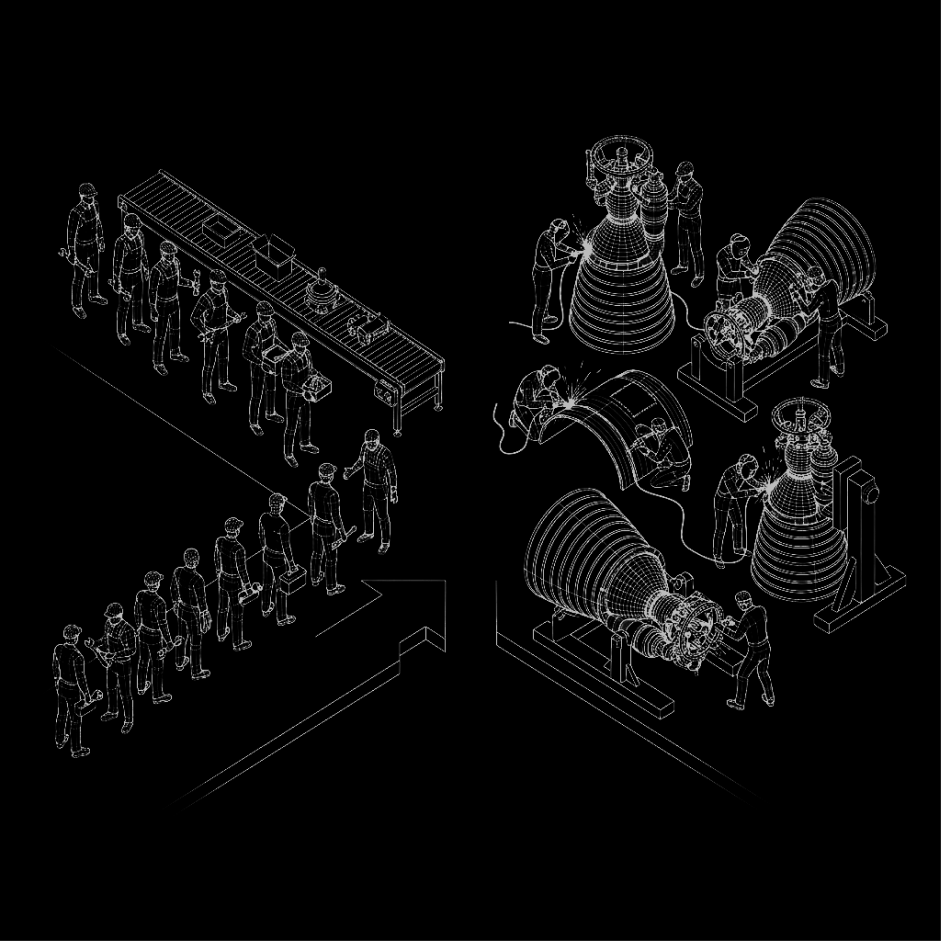
Progress happened because people learned how to wield it. Someone had to understand the machine. Someone had to hold the tolerance. Someone had to diagnose what went wrong. Someone had to take a drawing and figure out how to turn it into something real.
The tools changed. The importance of capable people did not.
Building again
America’s next industrial chapter will not be built by ambition alone.
After decades of treating production as something that could happen somewhere else, the physical economy matters again. Factories are going up. Supply chains are being rebuilt. Aerospace and defense are expanding. Shipbuilding matters again. Semiconductor capacity is coming online. Energy infrastructure is growing.
Even AI is forcing us back into the physical world. It requires power, cooling, data centers, electrical equipment, chips, precision components, and the enormous industrial base behind all of it. The digital future still has to be built somewhere.
For the first time in a long time, the money is there. The technology is there. The urgency is there.
U.S. manufacturing investment, 5-year totals
Real private fixed investment in manufacturing structures, billions of chained 2017 dollars.
$174.4B$260.2B$375.6B$634.9B
2005–20092010–20142015–20192020–2025
2005–2009 is a partial bucket, and 2020–2025 spans six years.
Source: U.S. Bureau of Economic Analysis via FRED, series C307RX1A020NBEA
The presentThe labor crisis
The workforce infrastructure has not kept up.
We are trying to expand industrial capacity faster than the systems surrounding industrial workers have evolved.
The people are out there. We have met them in towns from West Virginia to California, Maine to Alabama, Oklahoma to Montana. Machinists, welders, electricians, technicians, operators, mechanics. Everyday Americans who want to build useful things, earn a good living, learn more, and contribute.
But we have not built the same infrastructure around their careers that we built for knowledge workers. Their ability is buried in job titles and résumés that barely capture what they actually know. What machines can they run? What materials have they worked with? What tolerances can they hold? What have they built? Where do they want to go next?
The talent is there. Our ability to understand it, connect it, and develop it has not kept pace.
3.8M
manufacturing positions to fill by 2033.
$10T
in productive output at stake.
1.2 million3.8 million
20262027202820292030203120322033
1.2 million
3.8 million
20262027202820292030203120322033
Illustrative chart rising from 2026 to 2033, with callouts at 1.2 million and 3.8 million.
One missing person can constrain an entire production system.
An unfilled role is rarely just a vacancy. It can mean a machine waiting for setup, a repair waiting for a technician, a second shift that never starts, a production line running below capacity, or a new program that cannot ramp.
Building again
The workforce gap gets sharper in aerospace and defense.
481K576K
2010201520202025
Source: U.S. Bureau of Labor Statistics via FRED · NAICS 3364
Capacity is the real bottleneck.
We should see that gap as work to be done, not a verdict on the people who do the work.
Part of the task is helping more people enter and progress in industrial careers. Part is helping the people already here find work that makes full use of their ability. And part is giving those people better tools, so that more production does not depend only on asking the same team for more hours.
The ambition is not simply to fill a larger number of jobs. It is to build the capability those jobs exist to provide.
Laborup is going after the workforce constraint
The Future
Build what comes next.
Today, Laborup starts with people. We are building a deeper understanding of industrial workers, the work they do, and the factories they power.
But workforce is only the beginning. The more we understand how production actually works, the more opportunity there is to help factories coordinate the people, technology, and physical systems behind it.
We are starting with the constraint in front of us.
Over time, the opportunity expands to the factory itself.
The futureA more capable factory
People. Machines. Materials.
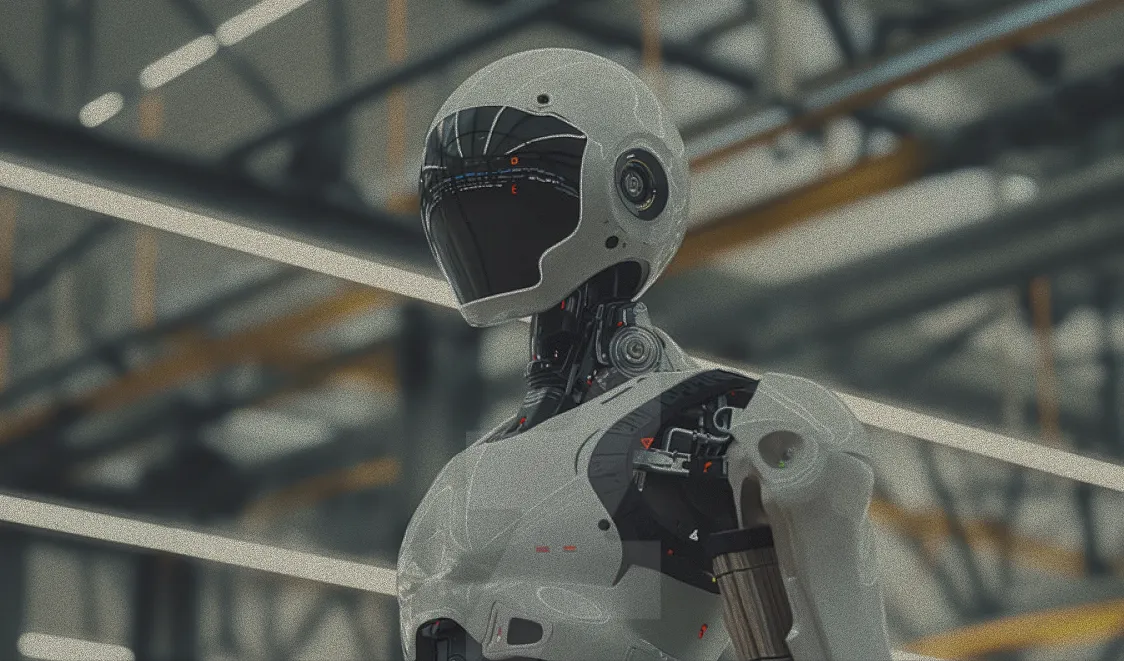
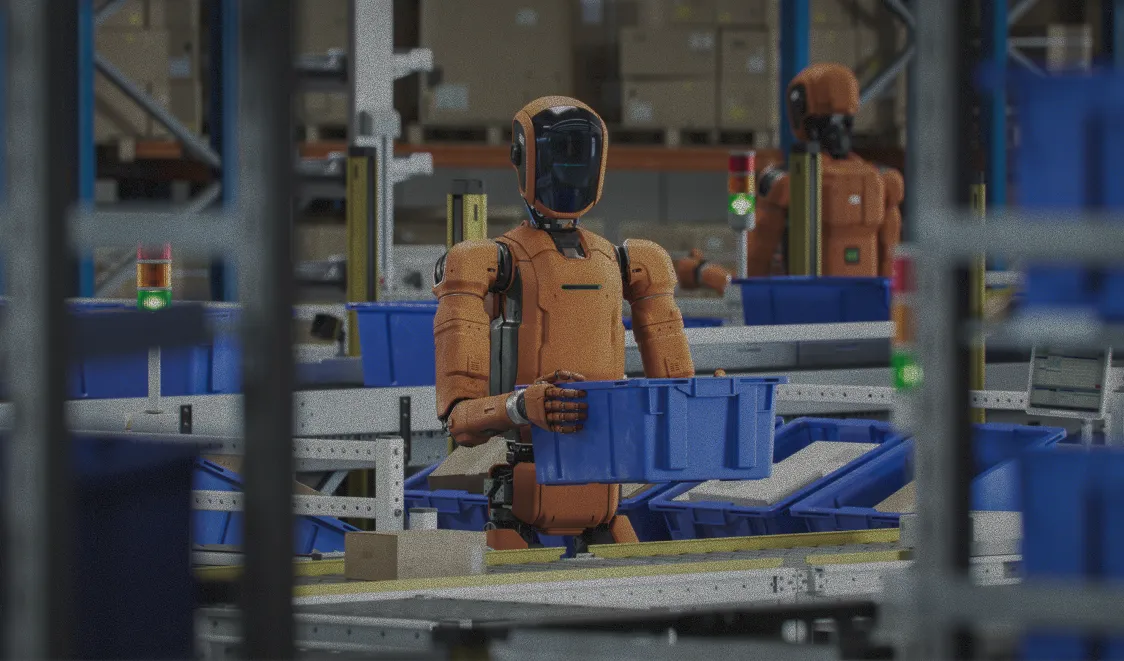
Intelligent machines augment intelligent humans
Every industrial leap has given people better tools. Machine tools. Electricity. CNC. Robotics. Software. AI is the next one. The best outcome is not removing people from the factory, but giving capable people better machines, better information, and dramatically more leverage.
The factory itself will change
Today, Laborup starts with people because workforce is the constraint we know best. But the opportunity is much larger. Robotics will take on more physical work. Machines will become more autonomous. Software will coordinate more of what happens across the floor. The question is how to bring people, robots, machines, and materials together into a production system capable of doing far more with the same resources.
People are the starting point. The factory is the opportunity.